Exploring the depths...

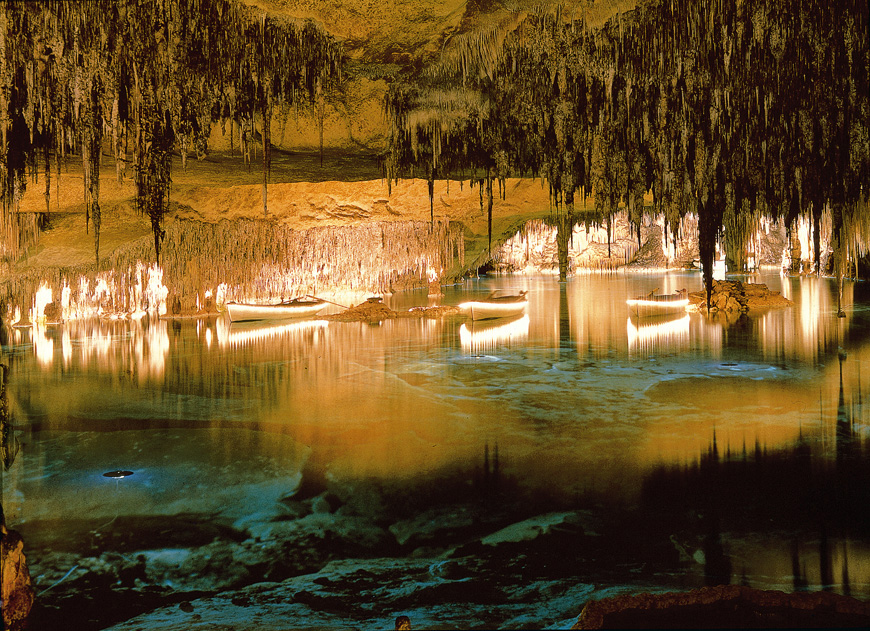
Underground lake inside Cuevas del Drach, Mallorca

Discover Spain's Hidden Underground World

Millions of years in the making, Spain's caves and grottos hold some of Europe's most breathtaking natural wonders. From prehistoric art to crystal-clear subterranean lakes, your underground adventure starts here.

Explore Caves

10,000+ Documented Caves

Spain ranks among the top countries worldwide for speleological richness, with cave systems spanning every major geological era from the Paleozoic to the Cenozoic.

Millions of Years Old

The oldest formations inside Spain's caves date back hundreds of millions of years, shaped by the slow dissolution of limestone bedrock by acidic groundwater over immense geological timescales.

UNESCO Heritage Sites

Multiple Spanish caves hold UNESCO World Heritage status, including the Cave of Altamira recognized for its exceptional prehistoric cave art and cultural significance.

Millions of Visitors Yearly

Spain's show caves attract millions of visitors every year. The Caves of Nerja alone welcome over 500,000 visitors annually, making them among the most visited natural attractions in the country.

Planning Your Cave Visit

Best Time to Visit

Caves maintain a constant temperature year-round, typically between 14-20 degrees Celsius. However, the surrounding areas are most pleasant to explore during spring (April-June) and early autumn (September-October), when crowds are smaller and weather is mild.

What to Bring

Wear comfortable shoes with good grip, as cave floors can be slippery. Bring a light jacket even in summer, as underground temperatures are significantly cooler than outside. Photography policies vary by cave, so check ahead.

Booking Ahead

Popular caves like Nerja and Drach often sell out during peak summer months. Booking online in advance is highly recommended, especially for July and August visits. Many sites offer discounted rates for early bookings.

Accessibility

Accessibility varies significantly between caves. Some, like Cuevas del Drach, have well-maintained pathways. Others may involve steep staircases or uneven terrain. Contact the cave directly for specific accessibility information.

Illuminated stalactite formations inside the Caves of Nerja

Ready to Explore?

Dive deeper into each cave with our detailed guides. Learn about visitor information, geological history, and practical travel tips for each destination.